If your PPC campaigns are mainly targeting keywords related to your brand, your TACoS will look really good but you won’t drive any incremental revenue.1
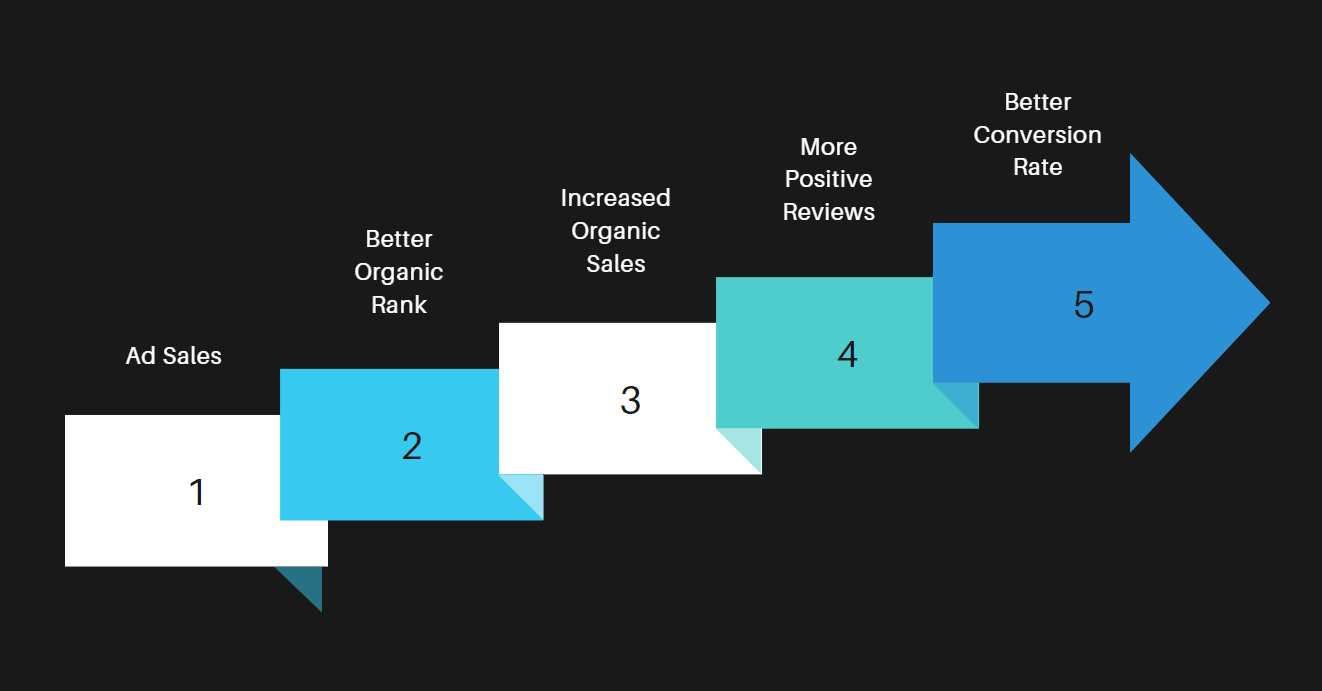
What's the Difference Between Ad Sales and Organic Sales?2
Organic Amazon sales are those that occur when people are looking for a certain product and your item is the best fit. Organic product listings appear naturally on the Amazon search engine results page and are deemed the most relevant to the shopper’s query by Amazon’s search A10 algorithm, which is focused on SEO optimization.
Amazon Ad Sales, also known as Sponsored Product Ads, are the result of Amazon paid search. It’s one of four advertising products that sellers use to promote their products on the marketplace. To attract customers to your product, Amazon PPC uses ad campaigns: you bid on the keywords that are most relevant to your product item’s listing.
Separating Branded and Non-Branded Keywords?3
Keeping these two groups separate can make your campaigns easier to manage. It also helps you understand where your sales are coming from.
When harvesting keywords, separating branded and non-branded terms gives you a clearer picture of your PPC performance and helps you make better bidding and budget decisions.
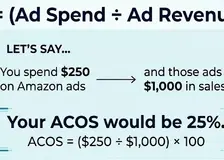
Amazon TACoS vs. ACoS1
Having a comprehensive understanding of both ACoS and TACoS empowers you to properly refine your advertising strategy. You can tweak individual campaigns based on ACoS and use TACoS to gauge performance on a product and account level.
Why does TACoS matter?
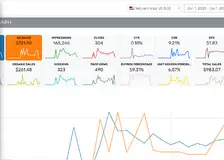
Consider this data from one of the businesses we own. We sold $47,922.71 worth of products at a 30.11% ACoS. Our gross margin on this was 29%, so we were technically at a loss here.
If you look at only these numbers in isolation, you might be tempted to turn the ads off, or at least drop your bids.
Focusing on Brand Keywords
Generic, or non-branded keywords will always run at 1.5-2x the ACoS of branded ones, which might make some sellers reluctant to use them, especially when the search volume of branded keywords is good. But in reality, advertising on generic keywords can do wonders for your product.
The search volume on generic keywords is likely 20-30x what you have with branded ones which means you can make a lot more sales through them. They’ll also bring a lot more organic traffic with them to compensate for the higher ACoS.
How TACOS Helps Measure Overall Amazon Growth4
TACOS gives a better and broader perspective of your Amazon business.
Because your total sales involve both the organic sales and advertising sales the sales which are generated from your advertisement
Tacos is the metric that will help you understand how much you are generating revenue from your ads and how much you are generating from the organic sales.
If your total sales grow while your ad spend remains relatively normal and stable, your tacos can be lowered, which may indicate that your business has stronger organic sales and more efficient overall growth.
If your TACOS is rising it means that you are spending more on advertising relative to your total sales. This happens when your ad spend increases faster than your sales or when the percentage of your organic sales declines.
View-Through Conversions (VTC)5
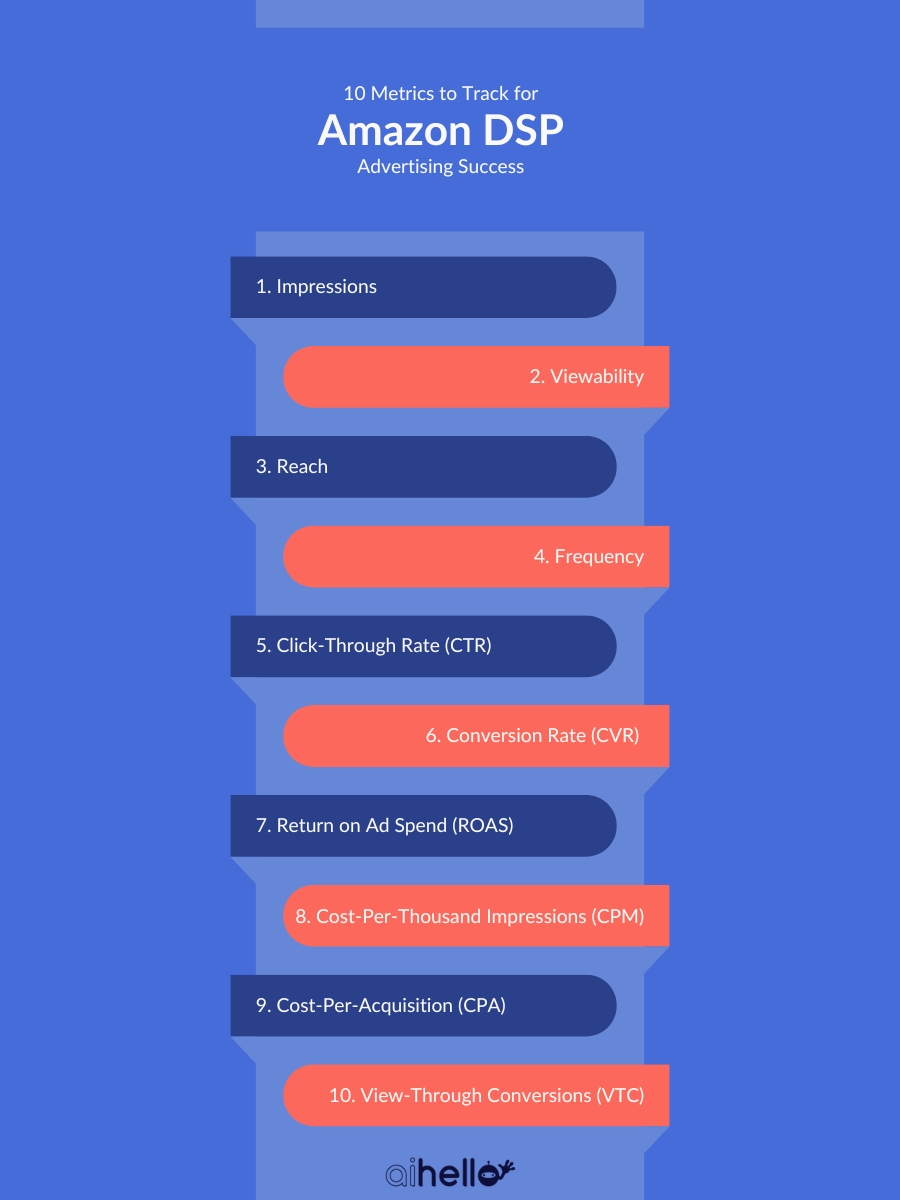
VTC tracks conversions from shoppers who saw your ad but didn’t immediately click on it, completing a purchase later.
To track this data, you need to set up an attribution window (usually between 7-14 days).
Attribution Issues
Amazon DSP uses a view-through attribution model with a two-week window, so conversions within this period can be credited to DSP ads that a user merely viewed without clicking on.
To test effectiveness, pause your DSP campaigns temporarily to see if sales drop; if they remain the same, you may need to cut down on your DSP ad spend or review your strategy.