

Low conversion rate : If shoppers click your ads but don’t place an order, your ACOS will naturally increase.1
Why ACOS Matters for Amazon Sellers1
Every click on an Amazon ad will cost you money, and ACOS helps you understand whether those advertising money are generating profit or simply increasing your budget. It gives you a clear view of how efficiently your PPC campaigns are performing.
ACOS isn’t just a metric for measuring ad spend. It also helps sellers to make important PPC decisions. A higher ACOS may be good when launching a new product or improving keyword rankings, while mature products often aim for a lower ACOS to maximize profitability and the ideal ACOS changes depending on your objectives.
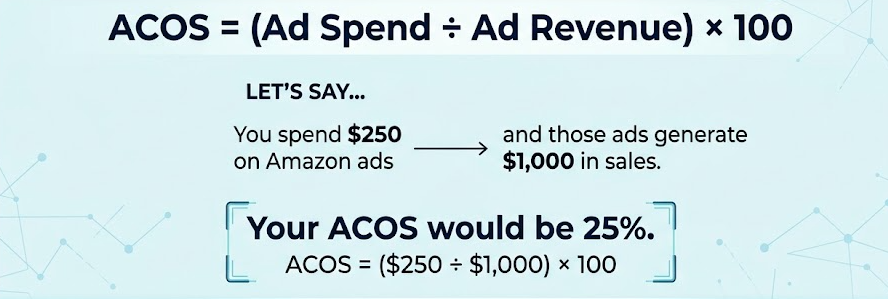
If your ACOS is always higher, it’s often a sign that your campaigns need attention, whether it’s improving keyword targeting, adjusting bids, or optimizing your product listing.
Why Bad ACoS Happens in Amazon Ads2
Before we dive into automation, it’s important to know what causes poor ad performance. High ACoS usually means you’re spending too much on clicks without getting enough conversions. Here’s why that might be happening:
- Not reacting fast enough to trends
- Unprofitable keywords
- Poor campaign structure
- Running ads on low-converting products
To help sellers overcome these challenges, AiHello’s Amazon PPC Automation was built specifically to reduce wasted ad spend and improve campaign performance through intelligent, hands-free optimization. What is automated bidding, and how does it actually work? How can slow reactions cost you money, and why do some keywords quietly bleed your budget without conversions?
What are some of the ways that accounts lose money? Let’s break it all down.
You Lose Money When You Don’t React Quickly
Amazon ads don’t wait. Performance can shift in just a few hours a keyword that was driving profitable sales in the morning can suddenly stop converting by evening. If you’re not catching these shifts in real time, your campaigns start bleeding money, and you won’t even notice until it’s too late.
Why Your ACOS Raising Too High?1
A higher ACOS doesn’t mean your PPC campaigns are failing. It simply says that it needs attention. You just have to find out what’s causing the issue before making decisions.
ACOS increases for several reasons. Sometimes you’re paying too much for clicks. Other times, Shoppers are clicking your ads but not buying because your product listing is weak and not convincing enough. That’s why it’s important to look beyond the ACOS number and identify what’s happening inside your campaigns.
Some of the most common reasons include:
- Poor keyword targeting : Broad or irrelevant keywords can attract clicks from shoppers who aren’t ready to buy.
- Weak product listings : Low-quality images, No clarity in titles, poor A+ Content, or uncompetitive pricing can hurt conversions.
CVR Goes Down3
Even if your product is in season and your reviews are where they need to be, your CVR can still be hurt if new competitors with better products enter your market.
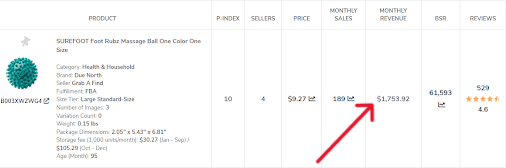
Similarly, existing competitors with lower prices or great deals might attract a larger share of the market, leading to a reduction in CVR for your product.
Running Ads on Low-Converting Products2
If your product doesn’t have at least a 10% conversion rate, fix the product first, not the ads. Not every product is ad ready. If your product doesn’t convert, ads won’t help, It will just burn money even if your targeting is spot on. No matter how good your ad strategy is.
A lot of sellers make the mistake of pouring money into ads to “boost visibility,” thinking that will fix their slow sales. But in reality, the problem isn’t traffic, it’s the product listing itself.
Low-converting products typically have:
- Poor product images or listing content
- Less than 10 reviews or a low star rating
- A higher price compared to similar listings